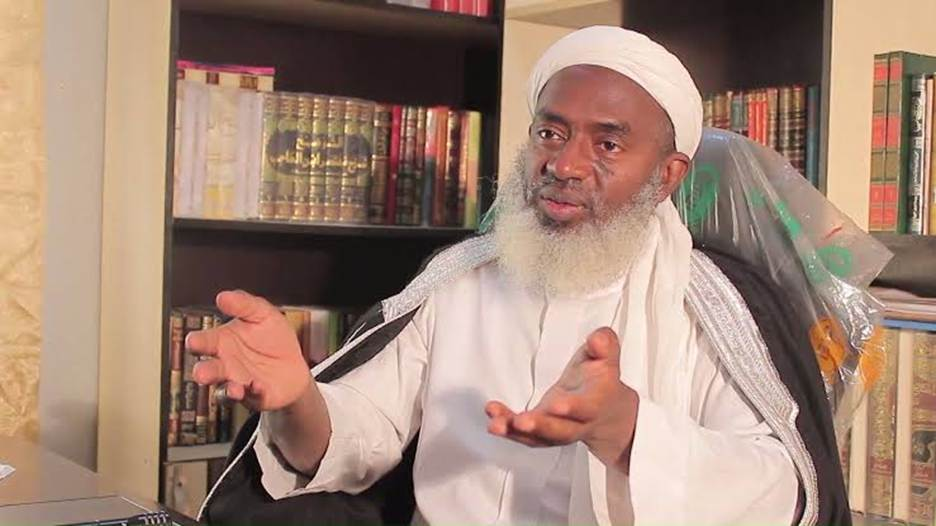
Sheikh Ahmad Gumi, Islamic cleric and terrorist sympathiser, is outraged by the killing of Abu-Bilal al-Minuki, identified as the second-in-command of the Islamic State, by the United States forces in collaboration with the Nigerian military.
The Defence Headquarters linked him to the infamous 2018 kidnapping of more than 100 schoolgirls from Dapchi, Yobe State, an attack that drew international outrage and renewed global attention to insecurity in Nigeria’s North-East.
Gumi, in a reaction on his Facebook post on Saturday, insisted that combating terrorism was a religious duty but condemned the involvement of those he alleged to have their “hands stained with the blood of innocent men, women, and children.”
According to his post, “It’s a religious obligation to annihilate terrorists, but not with Beelzebub and hands stained with the blood of innocent men, women, and children.”
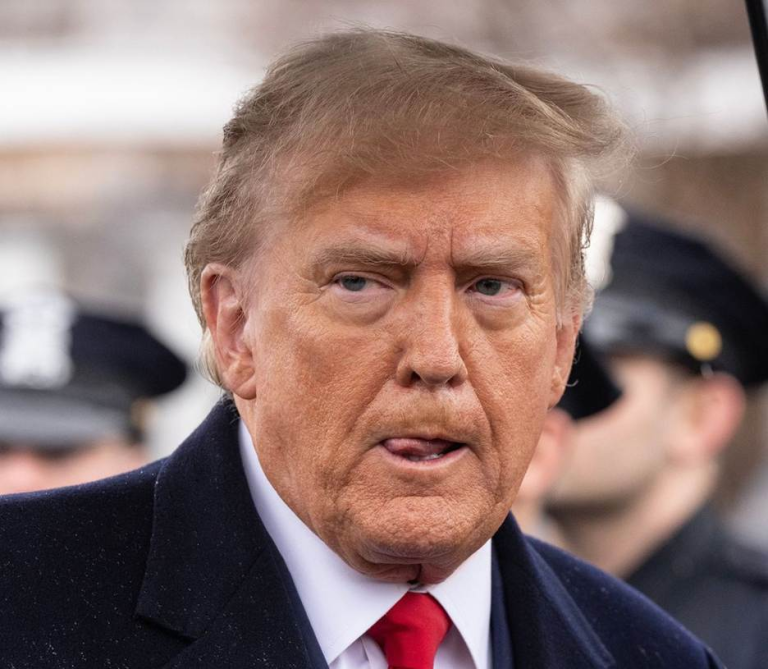
The controversial Islamic leader’s reaction followed an announcement by President Donald Trump that both the US and the Nigerian armed forces carried out a joint military operation that led to the killing of al-Minuki in Africa.
The Defence Headquarters, Abuja, had confirmed the killing of Abu-Bilal al-Minuki, described as a senior ISIS commander and one of the world’s most active terrorists, during a joint counterterrorism operation carried out by Nigerian and United States forces.
In a statement issued on Saturday by Major General Samaila Uba, the military said al-Minuki was linked to the infamous mass kidnapping of over 100 schoolgirls in Dapchi, Yobe State, including Leah Sharibu who is yet to be rescued.
President Donald Trump had announced that both military forces jointly carried out a military operation that killed the top ISIS commander identified as Abu-Bilal al-Minuki, whom he described as the terrorist group’s second-in-command globally.
Trump had disclosed this in a post on his Truth Social platform late Friday, stating that the operation was conducted at his direction and involved what he called a “meticulously planned and very complex mission.”
According to the Defence Headquarters, the operation marked a major breakthrough in the fight against terrorism across Nigeria, the Lake Chad Basin and the wider Sahel region.
“The Armed Forces of Nigeria, in collaboration with United States forces, has successfully conducted a meticulously planned and highly coordinated counterterrorism operation resulting in the elimination of Abu-Bilal al-Minuki,” the statement read.
The military described Minuki as a central operational figure within ISIS who played a strategic role in coordinating extremist activities beyond Nigeria’s borders.
It said he provided direction to ISIS affiliates on media propaganda, economic warfare and the development of weapons, explosives and drone technology.
“His death removes a critical node through which ISIS coordinated and directed operations across different regions of the world,” the statement added.
The Defence Headquarters further disclosed that intelligence reports suggested Minuki may recently have risen to one of the highest leadership positions within the global ISIS structure.
“Intelligence further indicates that, as recently as February 2026, Minuki may have been elevated to the position of Head of the General Directorate of States, placing him the second most senior leader within the ISIS global hierarchy,” the military stated.
The statement traced Minuki’s history within extremist networks, noting that before joining ISIS, he had been a prominent commander within Boko Haram.
According to the military, he later became deeply involved in ISIS operations across West Africa and the Sahel after pledging allegiance to the terror group in 2015.